


The Palmac programme, spanning the Canary Islands and Cape Verde, is working to implement improvement and restoration measures for the natural palm groves of Madre del Agua, and will continue in Gran Tarajal
The Biosphere Reserve of the Cabildo de Fuerteventura, the University of Las Palmas de Gran Canaria, the Cabildo de Gran Canaria, Cape Verde’s Inida and Gesplan are taking part, with the Ayuntamientos of Pájara and Tuineje collaborating
The Cabildo de Fuerteventura, through its Biosphere Reserve, has secured European funding for an ambitious project to recover, protect and genetically conserve the island’s Phoenix canariensis palm groves.
Fuerteventura’s native palm groves, along with those of Gran Canaria and the Phoenix atlantica groves of Cape Verde, have received this funding under the Palmac programme, co-financed by the European Regional Development Fund (ERDF) through the Interreg VI-D Madeira-Azores-Canarias (MAC) 2021-2027 territorial cooperation programme.
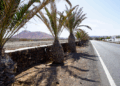
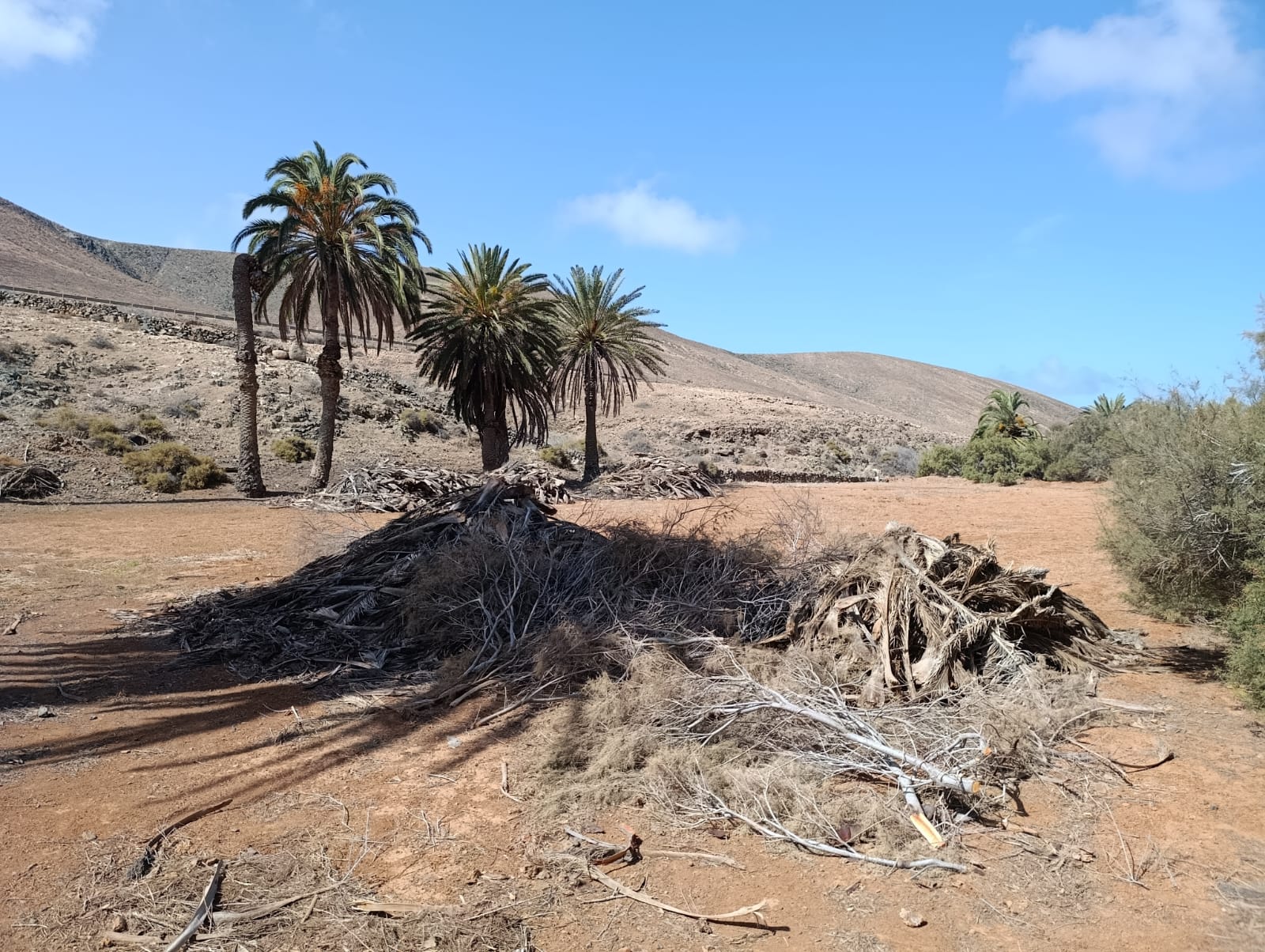
In Fuerteventura’s case, work on the ground has already begun, focusing on improvement and restoration measures for the natural palm groves of Madre del Agua, in the municipality of Pájara, and will continue in Gran Tarajal, in the municipality of Tuineje. The Palmac programme carries out in-depth studies of the natural palm grove populations it covers in order to find solutions, in the face of the effects of climate change, that will guarantee their survival in the medium and long term.
According to island president Lola García, native palm groves are vulnerable to uncontrollable factors such as external pests and drastic environmental changes. For this reason, the Cabildo de Fuerteventura is leading initiatives for their conservation, including its involvement in the Palmac project, which aims to help palm groves adapt to these changes through genetic techniques and predictive models.
Marlene Figueroa, the Cabildo de Fuerteventura’s Biosphere Reserve councillor, explains that “Palmac is another example of the importance of scientific research and collaboration at every level, beyond national borders, in overcoming the harmful effects of climate change—effects we experience locally but which extend across entire regions of the planet.”
Pedro Sosa, professor of Botany at ULPGC, highlights that this is an “environmental initiative aimed at conserving island palm groves in the face of the effects of drought and climate change.”
The geographical, scientific and landscape scope of this project is evident in its partners from the Canary Islands and Cape Verde, all co-financed by Interreg MAC: the University of Las Palmas de Gran Canaria (ULPGC), which is the lead partner and scientific coordinator; the Cabildos of Fuerteventura, through its Biosphere Reserve and with the collaboration of the Ayuntamientos of Pájara and Tuineje, and of Gran Canaria; Gestión y Planeamiento Territorial y Medioambiental (Gesplan); and Cape Verde’s Instituto Nacional de Investigação e Desenvolvimento Agrário (Inida).
Through Palmac, various actions are being carried out on the natural palm grove of Madre del Agua, including the installation and monitoring of traps for phytosanitary surveillance and the preventive control of Diocalandra frumenti.
In addition, dry leaves and plant debris are being removed to improve the health of the palm trees, dry biomass accumulated on the ground is being cleared and managed to reduce fire risk, and part of the removed biomass is being shredded for reuse as mulch, helping to conserve soil moisture and reduce erosion.
Finally, some trunks from dead palm trees are being used, laid crosswise on slopes. This low-impact technique, which reuses natural materials already present in the area, helps curb the loss of fertile soil.
Once work at Madre del Agua is complete, Palmac will move to the municipality of Tuineje to carry out a mirror action in the natural palm groves of Gran Tarajal. This will make it possible to complement and compare the work carried out at Madre del Agua.
Survival in the medium and long term
Both palm species—the Canary Island palm or Phoenix canariensis of Fuerteventura and Gran Canaria, and the tamareira or Phoenix atlantica of Cape Verde—face common threats such as dwindling water resources and rising temperatures, factors that jeopardise their survival in the medium and long term.
For this reason, the Palmac project (formally, “Conservation and resilience of Macaronesian island palm groves through genetic techniques, geographic information systems and predictive models”), funded by ERDF through Interreg MAC 2021-2027, involves public institutions and bodies from across Macaronesia.
The Palmac programme’s partners aim to carry out a broad analysis of the situation facing these palm species across the different archipelagos, with the shared goal of finding solutions that work for the whole region.
Palmac combines a range of tools and expertise, including genetic analysis, Geographic Information Systems (GIS), germplasm and seed banks, and predictive landscape models. This work makes it possible to identify specimens and populations of conservation interest and to generate information that can serve as a basis for developing on-the-ground restoration and improvement measures for the palm groves.